
Believe in our proven results
Methylene Blue
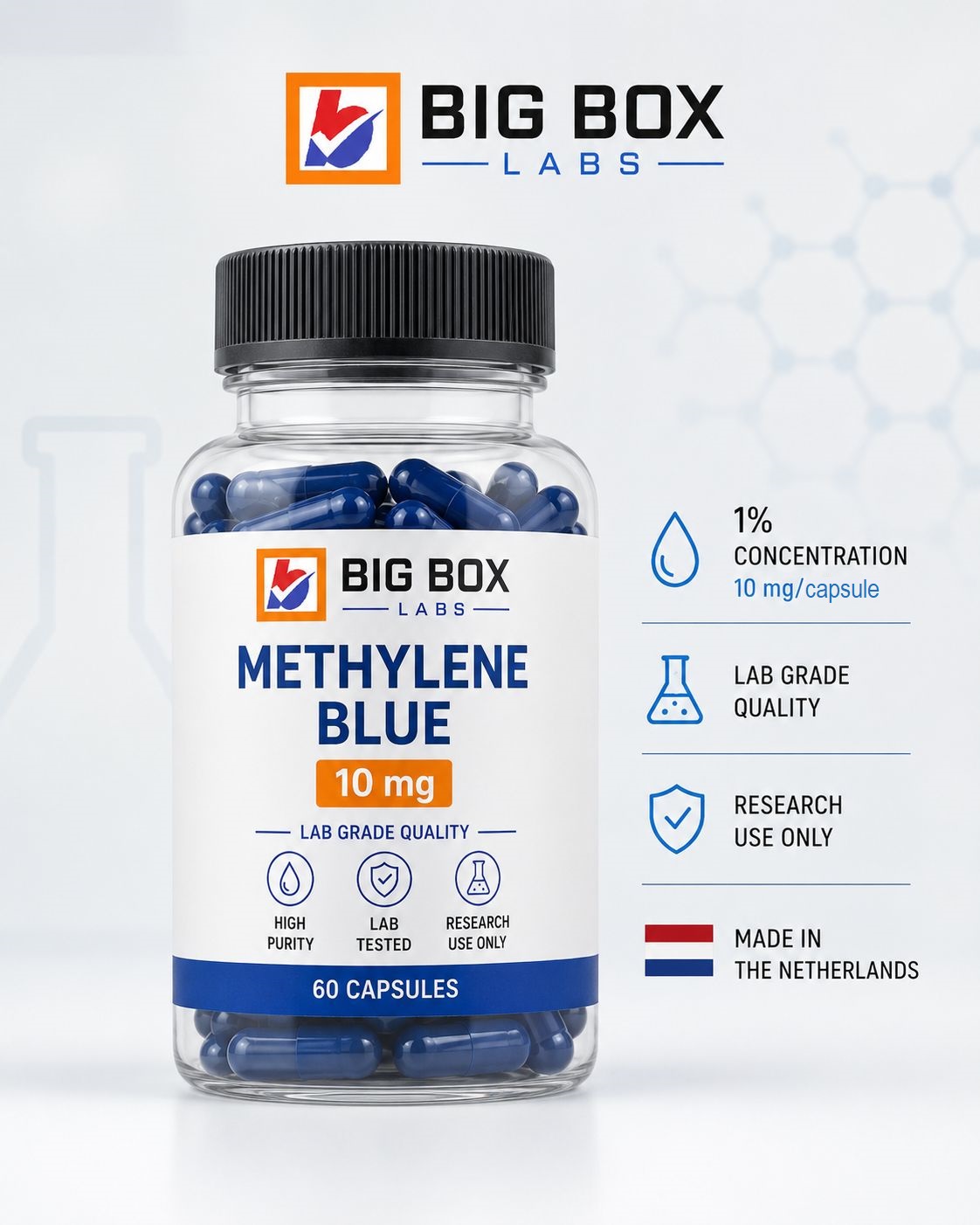
10 mg capsules
Methylene blue drops are used for
infections such as diphtheria, influenza, swine flu, the common cold, and other upper respiratory tract infections, lymph node infections, scarlet fever, malaria, and typhoid fever.
Prepared with oxygen-rich, sterile distilled water.
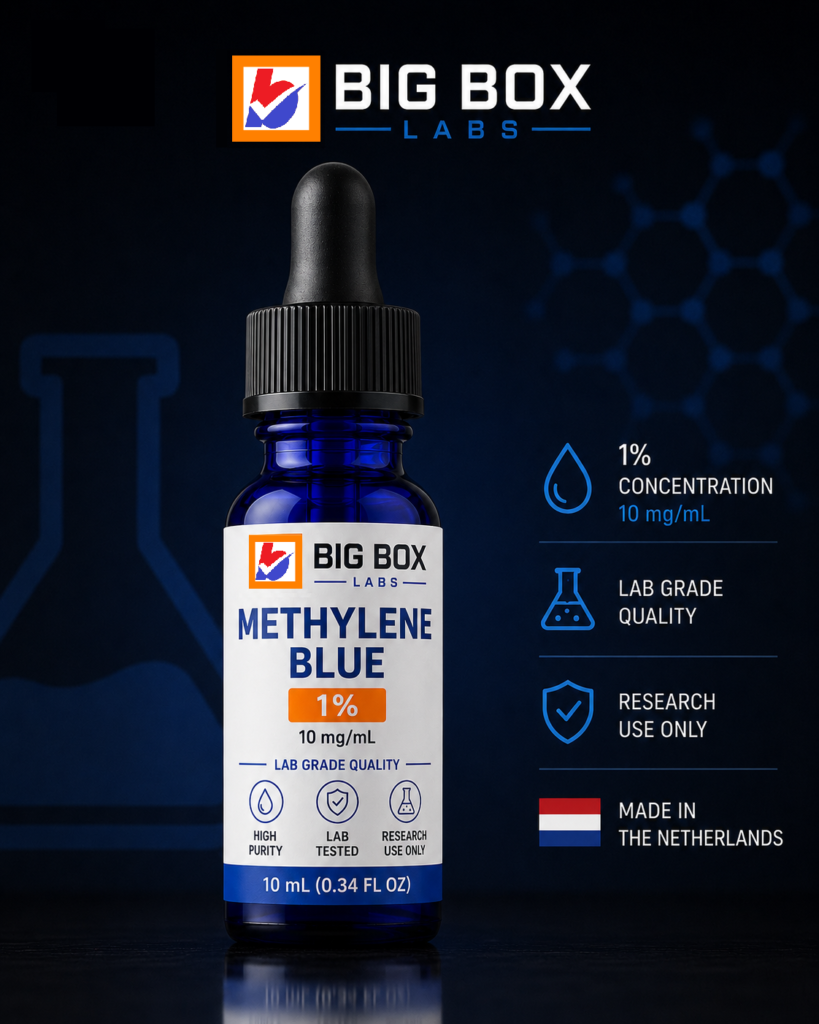
1% methylene blue solution, 10 mg/ml
Offers hope for fungal infections, viruses, mitochondrial dysfunction, leukemia, psoriasis, Alzheimer’s, autism,
Metabolic energy, ulcerative colitis, heart disease, and cancer
Keep out of reach of children. Store at room temperature. This product is not intended to diagnose, treat, cure, or prevent any disease.
Methylene blue boosts mitochondrial energy, has anti-aging effects, and improves mood, memory, and lifespan. Methylene blue supports cellular energy metabolism and helps maintain physiological functions. It promotes cognitive balance and ensures clear thinking.
It has antioxidant properties and reduces the effects of oxidative stress.
Plays a role in mitochondrial function and aids in energy conversion.
Pure, pharmaceutical-grade, human-grade.
60 capsules for €64.99
30-day money-back guarantee
Free shipping in the Netherlands.
25+
Years of experience
1200+
Satisfied patients
Customized Just for You
Methylene Blue 10 mg, 60 capsules
€64.99
Methylene Blue 10 mg – a supplement for daily mental performance. Methylene blue, also known as ethylthionine chloride, is a chemical salt used as a dye and a medication. It remains on the WHO List of Essential Medicines.
The German scientist Heinrich Caro first synthesized MB in 1876. Methylene blue is sometimes referred to as “the first entirely man-made medicine.”
- Benefits
- Improves mitochondrial function and ATP synthesis, resulting in increased energy levels.
- Reduces oxidative stress.
- It has a neuroprotective effect, which can be used to reduce factors that predispose individuals to the development of Alzheimer's and Parkinson's disease.
- Improves memory; has a nootropic effect.
- Microdoses used for anti-aging purposes.
- Improves skin quality and hydration; accelerates wound healing
- Stronger antioxidant effect.
What is methylene blue still used for today?
Methylene blue is still used in diagnostic procedures to identify abnormal cells. It has a characteristic blue color and is used to treat various conditions, such as methemoglobinemia. MB is usually prescribed to treat methemoglobinemia and, in some cases, malaria or cyanide poisoning.
Is methylene blue harmful?
In small doses, methylene blue is not dangerous for most people. People taking certain antidepressants, opioids, or antihistamines should not take MB. Pregnant women or people with G6PD deficiency should also avoid MB. G6PD deficiency is the most common enzymatic disorder in humans. It is caused by a deficiency of glucose-6-phosphate dehydrogenase, an enzyme found in red blood cells. The most common symptoms are jaundice and hemolytic anemia.
- Aging
Methylene blue is good for the skin. MB enhances mitochondrial function and reduces oxidative stress—both of which, independently of each other, improve the skin’s appearance. MB is even used to treat psoriasis, an autoimmune disease. By increasing the production of collagen and elastin, methylene blue gives the skin a more youthful appearance. (source) - Depression
Methylene blue can have a “strong” antidepressant effect. This is because it can increase levels of norepinephrine, serotonin, and dopamine in the brain, thereby preventing the breakdown of these neurotransmitters. MB can also help regulate anxiety and bipolar disorder, which are closely related to depression. It is not recommended to take MB at the same time as other antidepressants. (sources1,2) - Lyme Disease and Co-infections
Although most patients with Lyme disease are cured after 2–4 weeks of antibiotics, up to 20% of patients do not recover so quickly. Methylene blue is a possible alternative for people in whom antibiotics have failed. In the laboratory, methylene blue has effectively killed antibiotic-resistant Lyme bacteria. Combining methylene blue with certain antibiotics increases the effectiveness of antibiotics in treating Lyme disease. Studies have also shown that combining methylene blue with antibiotics is more effective than antibiotics alone in treating Bartonella infections. (sources1,2) - Alzheimer’s disease, Parkinson’s disease
. Methylene blue may help prevent Alzheimer’s disease, Parkinson’s disease, and mild cognitive impairment. MB reduces oxidative damage to brain cells—which contributes to neurodegenerative disorders such as Alzheimer’s and Parkinson’s. Numerous studies show that MB is “a promising neuroprotective intervention for both motor and non-motor” symptoms of Parkinson’s disease. MB is not a miracle cure for neurotoxicity and neurodegenerative diseases, but methylene blue has a track record of neuroprotective benefits spanning decades. (sources1,2) - Methemoglobinemia
is a blood disorder that can cause headaches, dizziness, nausea, or skin discoloration. Methylene blue is an FDA-approved medication for this primarily genetic condition, which can turn the blood a chocolate-brown color. Certain medications or chemicals can also cause high levels of methemoglobin. MB converts the iron in hemoglobin back to iron, thereby treating the condition. The most common use of methylene blue is the treatment of methemoglobinemia, for which a doctor may prescribe MB injections. (source) - Fungal Nail Infections
Methylene blue may help treat fungal infections, similar to bacterial infections. A 2014 study shows that methylene blue, in combination with red LED light, effectively treats “distal and lateral fungal nail infections” (onychomycosis). (source)
Certain groups of people should not use methylene blue, including: - Newborns: MB causes many adverse side effects in newborns that are not seen in adults. Newborns should not take MB.
- Pregnant women: There is evidence that MB may cause fetal death when administered to the mother during the second trimester of pregnancy. Incidental exposure to MB during the first trimester may cause less harm to the fetus.
- Breastfeeding mothers: Methylene blue is likely to pass into breast milk. There is insufficient evidence to show that methylene blue is harmful to infants, so breastfeeding mothers should avoid taking this risk.
- People with glucose-6-phosphate dehydrogenase (G6PD) deficiency: Methylene blue (MB) can cause hemolytic anemia in people with G6PD deficiency. Some researchers argue that G6PD deficiency should be a contraindication for the use of methylene blue. MB should be used with caution in people with G6PD deficiency. People taking antidepressants, because the combination can dangerously increase serotonin levels.
Methylene Blue improves oxygen uptake in the blood.
This, in turn, leads to increased physical and mental energy; the improved blood circulation and oxygen uptake in the brain further enhance concentration, focus, and cognitive function, as well as memory and mood.
The improved oxygen uptake and blood circulation also have powerful antioxidant and anti-aging effects.
Use 1 to 5 drops per day in a glass of water.
Our 1% methylene blue solution is a versatile product of extremely high purity and quality, suitable for various scientific, medical, and technical applications.
The solution is carefully manufactured to meet the highest standards and provides accurate results in various fields. Properties: The 1% methylene blue solution consists of pure methylene blue and high-quality, ozone-purified water.
It is free of heavy metals, formaldehyde, solvent residues, nanoparticles, preservatives, genetic modification, and microbial contamination. Our methylene blue is produced and filled in the Netherlands.
Applications: Microscopy: Ideal for staining cell nuclei and microorganisms in histological and microbiological specimens. Scientific research: Suitable for use in biochemical and cell biology experiments.
Aquariums: For treating fungal infections and parasites in aquariums (use with caution and according to instructions).